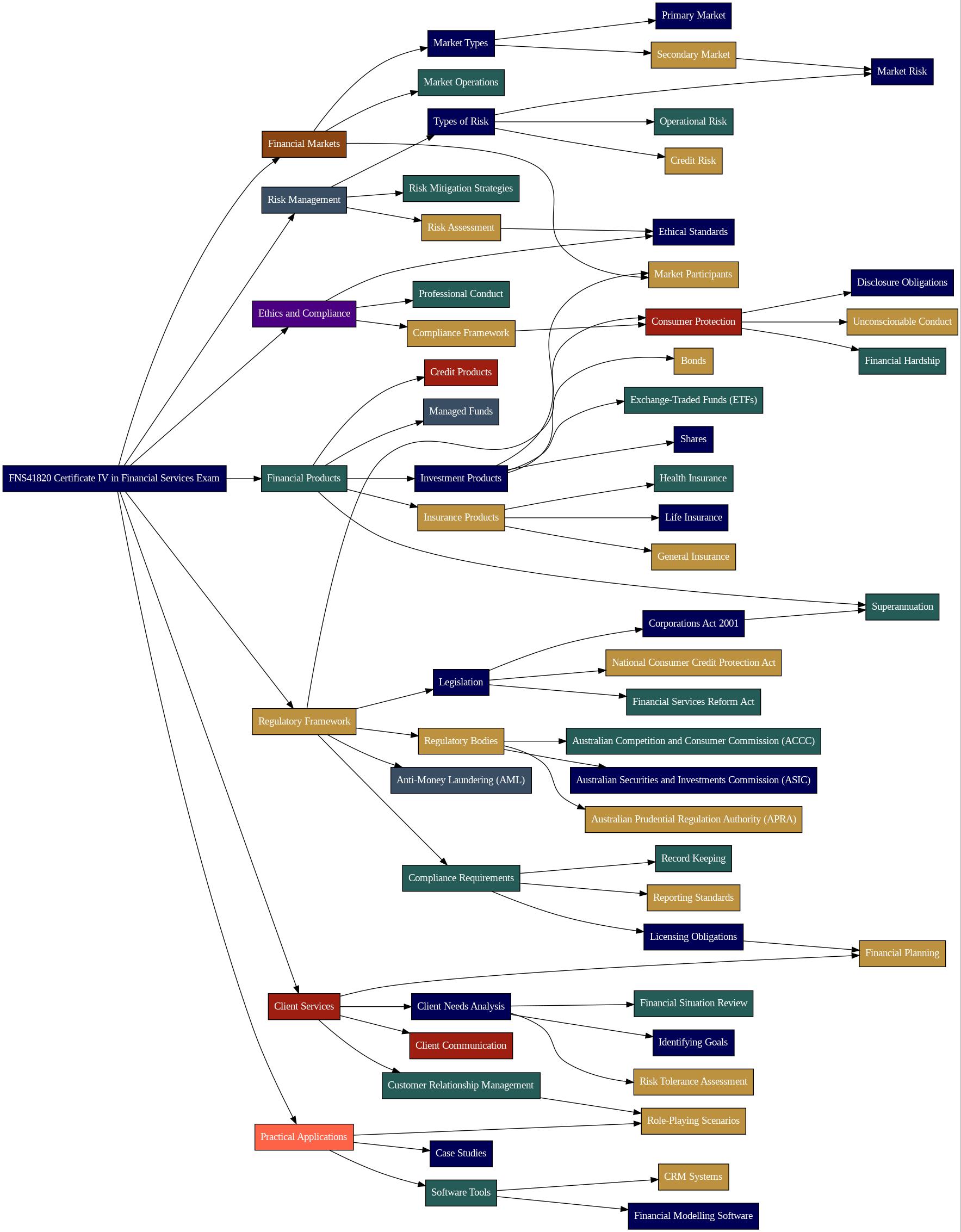
Quiz-summary
0 of 30 questions completed
Questions:
- 1
- 2
- 3
- 4
- 5
- 6
- 7
- 8
- 9
- 10
- 11
- 12
- 13
- 14
- 15
- 16
- 17
- 18
- 19
- 20
- 21
- 22
- 23
- 24
- 25
- 26
- 27
- 28
- 29
- 30
Information
Premium Practice Questions
You have already completed the quiz before. Hence you can not start it again.
Quiz is loading...
You must sign in or sign up to start the quiz.
You have to finish following quiz, to start this quiz:
Results
0 of 30 questions answered correctly
Your time:
Time has elapsed
You have reached 0 of 0 points, (0)
Categories
- Not categorized 0%
- 1
- 2
- 3
- 4
- 5
- 6
- 7
- 8
- 9
- 10
- 11
- 12
- 13
- 14
- 15
- 16
- 17
- 18
- 19
- 20
- 21
- 22
- 23
- 24
- 25
- 26
- 27
- 28
- 29
- 30
- Answered
- Review
-
Question 1 of 30
1. Question
When you are faced with the challenge of establishing a robust risk mitigation strategy within your financial services organization, what primary approach should you emphasize to effectively minimize potential risks? Consider a scenario where your institution is vulnerable to cybersecurity threats and regulatory compliance issues. Engaging in a thorough assessment of existing vulnerabilities should guide your decision-making process, ensuring that the chosen strategies align with your organization’s risk appetite and operational objectives. It’s essential to outline the most effective approach that balances resource allocation with optimal risk management practices, focusing on sustainable solutions that can adapt to changing environments while still protecting the organization’s interests.
Correct
Risk mitigation strategies are essential in financial services to reduce the potential impact of various risks. These strategies can include risk avoidance, risk transfer, risk reduction, and risk acceptance. In this context, a financial institution may decide to implement a comprehensive risk management framework that includes identifying potential risks, assessing their impact, and planning appropriate responses. For example, in the case of a potential data breach, the organization might choose to invest in advanced cybersecurity measures (risk reduction) and also consider obtaining cyber insurance (risk transfer). By combining these strategies, the institution can effectively minimize the financial repercussions of such incidents. Additionally, ongoing monitoring and reviewing of these strategies are vital to ensure that they remain effective as the risk landscape evolves. This proactive approach not only helps in protecting the organization’s assets but also instills confidence in stakeholders by demonstrating a commitment to managing risks responsibly.
Incorrect
Risk mitigation strategies are essential in financial services to reduce the potential impact of various risks. These strategies can include risk avoidance, risk transfer, risk reduction, and risk acceptance. In this context, a financial institution may decide to implement a comprehensive risk management framework that includes identifying potential risks, assessing their impact, and planning appropriate responses. For example, in the case of a potential data breach, the organization might choose to invest in advanced cybersecurity measures (risk reduction) and also consider obtaining cyber insurance (risk transfer). By combining these strategies, the institution can effectively minimize the financial repercussions of such incidents. Additionally, ongoing monitoring and reviewing of these strategies are vital to ensure that they remain effective as the risk landscape evolves. This proactive approach not only helps in protecting the organization’s assets but also instills confidence in stakeholders by demonstrating a commitment to managing risks responsibly.
-
Question 2 of 30
2. Question
You are consulting an individual who is struggling with various debts and seeking effective debt management strategies. After assessing their financial situation, you discover they have several small debts with high-interest rates and a single large loan with a lower interest rate. Which debt management strategy would you recommend they consider first to enhance their motivation and reduce the number of creditors they need to manage, despite potentially incurring more interest overall?
Correct
Debt management strategies are essential for individuals and organizations aiming to effectively address their financial obligations while minimizing the negative impacts of debt on their financial health. One of the most widely recognized strategies is the snowball method, which involves paying off the smallest debts first. This approach not only reduces the overall number of debts but also offers psychological benefits, as the individual experiences quick wins that can motivate further progress. A contrasting approach is the avalanche method, which prioritizes debts based on their interest rates. While this method may save money in the long run, it can feel less rewarding due to the longer time it may take to eliminate the first debt. Understanding the nuances of each strategy is crucial. The choice between these methods depends on individual circumstances, including income stability, the size of debts, and one’s psychological responses to debt repayment. Further, combining strategies (such as consolidating debts to secure lower interest rates while also employing the snowball method) can also be highly effective. In essence, effective debt management not only aids in repayment but also fosters better financial planning and budgeting, equipping individuals with skills to avoid future debt issues.
Incorrect
Debt management strategies are essential for individuals and organizations aiming to effectively address their financial obligations while minimizing the negative impacts of debt on their financial health. One of the most widely recognized strategies is the snowball method, which involves paying off the smallest debts first. This approach not only reduces the overall number of debts but also offers psychological benefits, as the individual experiences quick wins that can motivate further progress. A contrasting approach is the avalanche method, which prioritizes debts based on their interest rates. While this method may save money in the long run, it can feel less rewarding due to the longer time it may take to eliminate the first debt. Understanding the nuances of each strategy is crucial. The choice between these methods depends on individual circumstances, including income stability, the size of debts, and one’s psychological responses to debt repayment. Further, combining strategies (such as consolidating debts to secure lower interest rates while also employing the snowball method) can also be highly effective. In essence, effective debt management not only aids in repayment but also fosters better financial planning and budgeting, equipping individuals with skills to avoid future debt issues.
-
Question 3 of 30
3. Question
Consider a scenario where a sudden economic crisis occurs in a major foreign market that significantly impacts global trade dynamics. As a financial services professional, you are tasked with assessing how this crisis could affect local banks’ operations and the overall financial health of the community. In light of this situation, which of the following best describes the potential consequences of such an economic disturbance on local financial services?
Correct
The correct understanding of how global economic events impact local financial services is crucial for professionals within the industry. Global events such as economic downturns, trade wars, and significant geopolitical changes can lead to increased volatility in financial markets. Consequently, local financial institutions may experience shifts in consumer confidence, changes in borrowing and spending habits, and fluctuations in currency value. For instance, an economic crisis in a major trading partner country can result in decreased demand for exports, causing local businesses to reduce their operations, which, in turn, affects local banks’ loan portfolios. Additionally, such events can lead to higher risk assessment and stricter lending criteria, as financial institutions reassess loans based on the perceived risk of borrower defaults. Furthermore, changes in interest rates or monetary policy in global markets can also influence local financial ecosystems, as local financial institutions may need to adapt to meet changing regulatory standards and consumer demands, highlighting the interconnectedness of global and local financial landscapes.
Incorrect
The correct understanding of how global economic events impact local financial services is crucial for professionals within the industry. Global events such as economic downturns, trade wars, and significant geopolitical changes can lead to increased volatility in financial markets. Consequently, local financial institutions may experience shifts in consumer confidence, changes in borrowing and spending habits, and fluctuations in currency value. For instance, an economic crisis in a major trading partner country can result in decreased demand for exports, causing local businesses to reduce their operations, which, in turn, affects local banks’ loan portfolios. Additionally, such events can lead to higher risk assessment and stricter lending criteria, as financial institutions reassess loans based on the perceived risk of borrower defaults. Furthermore, changes in interest rates or monetary policy in global markets can also influence local financial ecosystems, as local financial institutions may need to adapt to meet changing regulatory standards and consumer demands, highlighting the interconnectedness of global and local financial landscapes.
-
Question 4 of 30
4. Question
A new marketing strategy is being developed for a financial services firm, and the team needs to prioritize customer engagement techniques that not only attract new clients but also retain existing ones. They want to ensure that their approach aligns with regulatory guidelines while effectively conveying the unique value proposition of their products. Considering these factors, how would you recommend they approach the integration of customer feedback into their marketing efforts? Additionally, what role do ethical considerations play in shaping their messaging to ensure compliance and build trust among their clientele?
Correct
Sales and marketing in financial services involve creating and delivering value to customers while ensuring compliance with regulatory requirements. A key component of this process is understanding the customer’s needs, preferences, and behaviors. This understanding enables financial service providers to tailor their offerings, create effective marketing strategies, and improve customer engagement. A well-structured marketing plan that incorporates customer feedback and market analysis can significantly enhance a company’s ability to attract and retain clients. Additionally, ethical considerations play a major role in how financial products are marketed. Misleading advertising or aggressive sales tactics not only damage the reputation of a financial institution but also potentially lead to regulatory sanctions. Therefore, effective communication of product features, benefits, and risks in a transparent manner fosters trust and long-term relationships with customers, aligning with both corporate goals and customer satisfaction standards.
Incorrect
Sales and marketing in financial services involve creating and delivering value to customers while ensuring compliance with regulatory requirements. A key component of this process is understanding the customer’s needs, preferences, and behaviors. This understanding enables financial service providers to tailor their offerings, create effective marketing strategies, and improve customer engagement. A well-structured marketing plan that incorporates customer feedback and market analysis can significantly enhance a company’s ability to attract and retain clients. Additionally, ethical considerations play a major role in how financial products are marketed. Misleading advertising or aggressive sales tactics not only damage the reputation of a financial institution but also potentially lead to regulatory sanctions. Therefore, effective communication of product features, benefits, and risks in a transparent manner fosters trust and long-term relationships with customers, aligning with both corporate goals and customer satisfaction standards.
-
Question 5 of 30
5. Question
You are reviewing a marketing strategy for a financial services firm that aims to improve its outreach to potential clients. During this review, you discover that the firm has not effectively identified its target markets and is providing a generalized service offering. Consider a scenario where the firm wants to implement a segmentation strategy to better address the needs of various client groups. How would you explain the importance of understanding target markets and segmentation in this context?
Correct
Market segmentation involves dividing a broad consumer or business market into sub-groups of consumers based on shared characteristics. This process is critical for businesses to effectively tailor their products and marketing efforts to meet the specific needs of different customer groups. The identification of target markets entails analyzing demographic, geographic, psychographic, and behavioral factors to create distinct segments. Understanding target markets allows a business to engage in strategic planning and allocate resources effectively, resulting in improved customer satisfaction and loyalty. In the context of financial services, segmenting customer bases can involve considerations such as income levels, age demographics, investment behaviors, and financial literacy. For instance, a financial services firm might identify high-net-worth individuals as a distinct segment that requires personalized asset management services. Moreover, the process not only aids in designing products tailored to each segment but also influences marketing strategies, as different segments respond differently to various communication channels and messages. Overall, the correct identification of target markets through effective segmentation enables businesses to optimize their market approach, enhancing both client engagement and service delivery.
Incorrect
Market segmentation involves dividing a broad consumer or business market into sub-groups of consumers based on shared characteristics. This process is critical for businesses to effectively tailor their products and marketing efforts to meet the specific needs of different customer groups. The identification of target markets entails analyzing demographic, geographic, psychographic, and behavioral factors to create distinct segments. Understanding target markets allows a business to engage in strategic planning and allocate resources effectively, resulting in improved customer satisfaction and loyalty. In the context of financial services, segmenting customer bases can involve considerations such as income levels, age demographics, investment behaviors, and financial literacy. For instance, a financial services firm might identify high-net-worth individuals as a distinct segment that requires personalized asset management services. Moreover, the process not only aids in designing products tailored to each segment but also influences marketing strategies, as different segments respond differently to various communication channels and messages. Overall, the correct identification of target markets through effective segmentation enables businesses to optimize their market approach, enhancing both client engagement and service delivery.
-
Question 6 of 30
6. Question
You are reviewing a recent client consultation where some information about investment options was provided. During the meeting, the financial advisor spoke clearly about the potential risks and rewards; however, they frequently looked at their watch and their arms were crossed throughout the discussion. In light of this scenario, how can you interpret the importance of both verbal and non-verbal communication in this context?
Correct
Effective communication skills, both verbal and non-verbal, are essential for success in the financial services sector. Verbal communication encompasses not just what is said but how it is said, including tone, clarity, and the structure of the message. Non-verbal communication includes body language, facial expressions, and gestures that can greatly influence the interpretation of a message. In financial services, where clarity and trust are vital, understanding the implications of both types of communication is crucial. For instance, if a financial advisor presents information with an unclear tone or distracted body language, clients may feel uncertain about the decisions they are being advised to make. Furthermore, the integration of active listening skills, such as paraphrasing and asking clarifying questions, enhances understanding and strengthens client relationships. Overall, a comprehensive understanding of how verbal and non-verbal cues interact in financial services can lead to more effective interactions, improved client satisfaction, and stronger professional relationships.
Incorrect
Effective communication skills, both verbal and non-verbal, are essential for success in the financial services sector. Verbal communication encompasses not just what is said but how it is said, including tone, clarity, and the structure of the message. Non-verbal communication includes body language, facial expressions, and gestures that can greatly influence the interpretation of a message. In financial services, where clarity and trust are vital, understanding the implications of both types of communication is crucial. For instance, if a financial advisor presents information with an unclear tone or distracted body language, clients may feel uncertain about the decisions they are being advised to make. Furthermore, the integration of active listening skills, such as paraphrasing and asking clarifying questions, enhances understanding and strengthens client relationships. Overall, a comprehensive understanding of how verbal and non-verbal cues interact in financial services can lead to more effective interactions, improved client satisfaction, and stronger professional relationships.
-
Question 7 of 30
7. Question
You are reviewing the investment portfolio of a client who is interested in balancing their risk and return more effectively. They are aware of the concept of the efficient frontier but are also concerned about how to accurately measure and compare the risk associated with different investment options. To assist them in understanding these concepts, which principle should you emphasize regarding the relationship between risk and expected returns in the context of investment strategies?
Correct
Investment strategies and portfolio management are critical components of financial services, particularly for clients seeking to optimize their investment returns while managing risk. One of the fundamental concepts in this area is the efficient frontier, which represents a set of optimal portfolios offering the highest expected return for a specific level of risk. The Capital Asset Pricing Model (CAPM) also plays a vital role by establishing a relationship between systematic risk and expected return, aiding in the determination of an appropriate expected return based on an asset’s beta, which measures its volatility relative to the market. A well-constructed investment strategy takes into account factors such as asset allocation, diversification across various asset classes, and the risk tolerance of the investor. By effectively balancing these elements, financial professionals can design portfolios that align with clients’ investment objectives and risk appetite, ensuring sustainable growth and stability in their investment journeys.
Incorrect
Investment strategies and portfolio management are critical components of financial services, particularly for clients seeking to optimize their investment returns while managing risk. One of the fundamental concepts in this area is the efficient frontier, which represents a set of optimal portfolios offering the highest expected return for a specific level of risk. The Capital Asset Pricing Model (CAPM) also plays a vital role by establishing a relationship between systematic risk and expected return, aiding in the determination of an appropriate expected return based on an asset’s beta, which measures its volatility relative to the market. A well-constructed investment strategy takes into account factors such as asset allocation, diversification across various asset classes, and the risk tolerance of the investor. By effectively balancing these elements, financial professionals can design portfolios that align with clients’ investment objectives and risk appetite, ensuring sustainable growth and stability in their investment journeys.
-
Question 8 of 30
8. Question
You are reviewing the impact of emerging technologies on the financial services industry, particularly focusing on blockchain technology. As you analyze its potential benefits, which of the following statements best captures the primary advantage blockchain brings to digital banking and financial transactions? Consider how blockchain fundamentally alters traditional processes and enhances operational efficiencies.
Correct
Blockchain technology fundamentally disrupts traditional financial services by providing a decentralized platform where transactions can be securely recorded and verified without the need for intermediaries such as banks. This technology operates on the principles of transparency, immutability, and security. Financial institutions can leverage blockchain to streamline processes such as payments, settlements, and record-keeping. By using smart contracts—self-executing contracts with the terms of the agreement directly written into code—organizations can automate and enhance their financial operations. Additionally, blockchain can improve efficiency and reduce costs associated with fraud and manual reconciliation. The decentralized nature of blockchain also invites the advent of digital currencies and fosters innovation in digital banking. Consequently, organizations need to adapt their services to integrate blockchain technology effectively, considering its implications on compliance, risk management, and customer privacy. Thus, understanding and implementing blockchain can provide a significant competitive advantage to financial services in this digital age.
Incorrect
Blockchain technology fundamentally disrupts traditional financial services by providing a decentralized platform where transactions can be securely recorded and verified without the need for intermediaries such as banks. This technology operates on the principles of transparency, immutability, and security. Financial institutions can leverage blockchain to streamline processes such as payments, settlements, and record-keeping. By using smart contracts—self-executing contracts with the terms of the agreement directly written into code—organizations can automate and enhance their financial operations. Additionally, blockchain can improve efficiency and reduce costs associated with fraud and manual reconciliation. The decentralized nature of blockchain also invites the advent of digital currencies and fosters innovation in digital banking. Consequently, organizations need to adapt their services to integrate blockchain technology effectively, considering its implications on compliance, risk management, and customer privacy. Thus, understanding and implementing blockchain can provide a significant competitive advantage to financial services in this digital age.
-
Question 9 of 30
9. Question
You are reviewing the financial statements of a medium-sized organization that has recently undergone a restructuring process. The management is keen to improve its profitability ratios to attract potential investors. When analyzing the organization’s financial health, which aspect of profitability would be most critical for assessing its operational efficiency and overall financial performance? Consider how various profitability metrics can provide insights into the effectiveness of the organization’s cost management practices and revenue generation capabilities.
Correct
Financial analysis and reporting involve evaluating an organization’s financial health through its financial statements, which include the balance sheet, income statement, and cash flow statement. When assessing an organization’s profitability, it is essential to consider various measures such as gross profit margin, operating profit margin, and net profit margin. A critical part of this analysis is understanding how each of these margins reflects the organization’s efficiency in managing costs relative to its revenue. Profitability ratios help stakeholders gauge the organization’s ability to generate earnings compared to its expenses and other relevant costs. For instance, a high gross profit margin indicates effective management of production costs, while a high net profit margin suggests overall efficiency in managing all expenses. Thus, financial analysis not only focuses on numbers but also involves interpreting what those numbers mean in the broader context of business operations and strategic decisions.
Incorrect
Financial analysis and reporting involve evaluating an organization’s financial health through its financial statements, which include the balance sheet, income statement, and cash flow statement. When assessing an organization’s profitability, it is essential to consider various measures such as gross profit margin, operating profit margin, and net profit margin. A critical part of this analysis is understanding how each of these margins reflects the organization’s efficiency in managing costs relative to its revenue. Profitability ratios help stakeholders gauge the organization’s ability to generate earnings compared to its expenses and other relevant costs. For instance, a high gross profit margin indicates effective management of production costs, while a high net profit margin suggests overall efficiency in managing all expenses. Thus, financial analysis not only focuses on numbers but also involves interpreting what those numbers mean in the broader context of business operations and strategic decisions.
-
Question 10 of 30
10. Question
A financial services firm is aiming to enhance its sales performance in a highly competitive market. When considering the effectiveness of various sales strategies, which approach would likely yield the most significant long-term results? Specifically, how might these strategies affect client relationships and overall business growth?
Correct
In this scenario, we are evaluating the effectiveness of different sales strategies employed in the financial services sector. The correct answer emphasizes the importance of building long-term relationships with clients through personalized service. This approach aligns with the modern sales philosophy, which prioritizes customer satisfaction and loyalty over quick, transactional sales. Personalized service allows financial professionals to better understand client needs, create tailored solutions, and foster trust. This is particularly significant in financial services, where the stakes are high and clients often seek ongoing advice and support. On the other hand, focusing solely on mass marketing can lead to missed opportunities in understanding individual client contexts, while aggressive sales techniques might undermine trust. The ideal approach combines relationship-building with a keen awareness of market trends and the specific needs of clients, rather than relying on a one-size-fits-all strategy. By concentrating on personalized service, financial services firms can differentiate themselves in a competitive market, achieve higher client retention rates, and ultimately drive sustainable growth.
Incorrect
In this scenario, we are evaluating the effectiveness of different sales strategies employed in the financial services sector. The correct answer emphasizes the importance of building long-term relationships with clients through personalized service. This approach aligns with the modern sales philosophy, which prioritizes customer satisfaction and loyalty over quick, transactional sales. Personalized service allows financial professionals to better understand client needs, create tailored solutions, and foster trust. This is particularly significant in financial services, where the stakes are high and clients often seek ongoing advice and support. On the other hand, focusing solely on mass marketing can lead to missed opportunities in understanding individual client contexts, while aggressive sales techniques might undermine trust. The ideal approach combines relationship-building with a keen awareness of market trends and the specific needs of clients, rather than relying on a one-size-fits-all strategy. By concentrating on personalized service, financial services firms can differentiate themselves in a competitive market, achieve higher client retention rates, and ultimately drive sustainable growth.
-
Question 11 of 30
11. Question
Consider a scenario where a client has invested in a diversified portfolio consisting of equities, fixed income, and alternative investments. After a substantial market rally, you notice that the allocations have shifted significantly, with equities now representing 70% of the portfolio, whereas the client’s target allocation was set at 50%. As a financial advisor, what would be your recommended course of action to maintain alignment with the client’s investment objectives?
Correct
Monitoring and rebalancing investment portfolios is a critical practice for ensuring that a portfolio remains aligned with an investor’s risk tolerance, investment goals, and market conditions. When a portfolio is not regularly reviewed, asset allocations can drift away from the intended targets due to market fluctuations. This drift can result in excessive risk or insufficient growth potential. Regular monitoring allows for timely rebalancing, where an investor can sell off assets that have appreciated significantly and invest the proceeds into underperforming areas, thereby realigning the portfolio with strategic goals. This practice not only helps in maintaining an appropriate risk profile but can also enhance long-term returns by capitalizing on market opportunities. Furthermore, it is essential to consider transaction costs and tax implications during rebalancing, as over-frequent adjustments can diminish overall returns. In essence, a robust investment monitoring and rebalancing strategy is fundamental for effective portfolio management in the dynamic landscape of financial services.
Incorrect
Monitoring and rebalancing investment portfolios is a critical practice for ensuring that a portfolio remains aligned with an investor’s risk tolerance, investment goals, and market conditions. When a portfolio is not regularly reviewed, asset allocations can drift away from the intended targets due to market fluctuations. This drift can result in excessive risk or insufficient growth potential. Regular monitoring allows for timely rebalancing, where an investor can sell off assets that have appreciated significantly and invest the proceeds into underperforming areas, thereby realigning the portfolio with strategic goals. This practice not only helps in maintaining an appropriate risk profile but can also enhance long-term returns by capitalizing on market opportunities. Furthermore, it is essential to consider transaction costs and tax implications during rebalancing, as over-frequent adjustments can diminish overall returns. In essence, a robust investment monitoring and rebalancing strategy is fundamental for effective portfolio management in the dynamic landscape of financial services.
-
Question 12 of 30
12. Question
Consider a scenario where an individual is preparing to create a personal budget for the upcoming year. They have recently set a goal to save for a vacation while also aiming to reduce their credit card debt. During the budgeting process, they analyze their past spending habits and current income. They find that their monthly expenses have consistently exceeded their income, putting their savings goal at risk. In this context, what is the most critical step the individual should take to ensure they can meet their financial goals while maintaining a balanced budget?
Correct
Budgeting is a vital aspect of financial planning that involves estimating income and expenses to help individuals or organizations manage their finances effectively. When developing a budget, key considerations include identifying short-term and long-term financial goals, assessing current cash flow, and planning for unexpected expenses. One of the fundamental insights of budgeting is to ensure that the planned expenses do not exceed the income, allowing for savings or investments to be made. Furthermore, a well-designed budget acts as a financial roadmap, guiding individuals toward achieving their financial aspirations while maintaining a clear overview of their spending habits. It can also highlight areas where reductions can be made or where additional income might be required to meet future goals. Overall, a comprehensive understanding of budgeting not only enhances financial literacy but also fosters a sense of financial stability and well-being.
Incorrect
Budgeting is a vital aspect of financial planning that involves estimating income and expenses to help individuals or organizations manage their finances effectively. When developing a budget, key considerations include identifying short-term and long-term financial goals, assessing current cash flow, and planning for unexpected expenses. One of the fundamental insights of budgeting is to ensure that the planned expenses do not exceed the income, allowing for savings or investments to be made. Furthermore, a well-designed budget acts as a financial roadmap, guiding individuals toward achieving their financial aspirations while maintaining a clear overview of their spending habits. It can also highlight areas where reductions can be made or where additional income might be required to meet future goals. Overall, a comprehensive understanding of budgeting not only enhances financial literacy but also fosters a sense of financial stability and well-being.
-
Question 13 of 30
13. Question
When analyzing the impact of recent technological advancements in global financial markets, you observe that automation and digital trading platforms have significantly transformed trading practices. This shift has facilitated faster transactions, broadened access to financial markets for retail investors, and introduced new trading instruments. However, with increased participation and the evolution of trading strategies, regulatory bodies are faced with new challenges in maintaining market integrity. Considering these dynamics, what main effect do you anticipate this technological evolution will have on investor behavior in the global financial landscape over the next few years?
Correct
The development of global financial markets is influenced by various factors, including economic integration, advancements in technology, and regulatory changes. Economic integration allows for increased cross-border investments, which enhances liquidity and market depth. The role of technology is paramount, as it facilitates real-time trading and access to information, making markets more efficient. However, with these advancements come regulatory challenges, as authorities must ensure that markets remain fair and transparent while adapting to innovations like digital currencies and fintech. Understanding the interplay between these factors is crucial for identifying trends and potential risks in global markets. Therefore, it is essential to grasp how economic dynamics, technological progress, and regulatory frameworks collectively shape investor behavior in global financial systems.
Incorrect
The development of global financial markets is influenced by various factors, including economic integration, advancements in technology, and regulatory changes. Economic integration allows for increased cross-border investments, which enhances liquidity and market depth. The role of technology is paramount, as it facilitates real-time trading and access to information, making markets more efficient. However, with these advancements come regulatory challenges, as authorities must ensure that markets remain fair and transparent while adapting to innovations like digital currencies and fintech. Understanding the interplay between these factors is crucial for identifying trends and potential risks in global markets. Therefore, it is essential to grasp how economic dynamics, technological progress, and regulatory frameworks collectively shape investor behavior in global financial systems.
-
Question 14 of 30
14. Question
In the context of providing financial advice, a financial advisor encounters a situation where a potential client expresses a desire to invest in high-risk assets primarily due to the promise of high returns, despite being inexperienced in investing. When faced with this scenario, what ethical consideration should the advisor prioritize to ensure that their professional conduct aligns with industry standards?
Correct
Ethical considerations in financial advice are paramount, as they guide financial professionals in making decisions that prioritize the client’s best interests above all else. One of the key principles is the fiduciary duty, which obligates a financial advisor to act in the best interest of their clients, ensuring that all advice and services provided are aligned with the client’s financial goals and needs. This includes the necessity for transparency about any potential conflicts of interest, as well as the obligation to maintain confidentiality regarding client information. Additionally, ethical financial advising requires that advisors continuously educate themselves about market conditions, regulations, and ethical best practices to provide informed advice. It is essential for advisors to cultivate a trusting relationship with clients, built on honesty and clear communication, thus reinforcing the ethical foundation of their professional practice. Therefore, a strong understanding of ethical obligations not only fosters trust but also enhances the advisor’s reputation and the overall integrity of the financial services industry.
Incorrect
Ethical considerations in financial advice are paramount, as they guide financial professionals in making decisions that prioritize the client’s best interests above all else. One of the key principles is the fiduciary duty, which obligates a financial advisor to act in the best interest of their clients, ensuring that all advice and services provided are aligned with the client’s financial goals and needs. This includes the necessity for transparency about any potential conflicts of interest, as well as the obligation to maintain confidentiality regarding client information. Additionally, ethical financial advising requires that advisors continuously educate themselves about market conditions, regulations, and ethical best practices to provide informed advice. It is essential for advisors to cultivate a trusting relationship with clients, built on honesty and clear communication, thus reinforcing the ethical foundation of their professional practice. Therefore, a strong understanding of ethical obligations not only fosters trust but also enhances the advisor’s reputation and the overall integrity of the financial services industry.
-
Question 15 of 30
15. Question
You are reviewing a report on how currency fluctuations could affect an organization’s international operations. The management team is particularly interested in understanding the implications of currency risk and the methods available to mitigate this risk. Consider a scenario where the company is planning to expand its operations into a new market overseas, which would require significant investment in local currency. The management is seeking strategies to ensure that their foreign exchange risk is managed effectively. What would be the most appropriate approach to address these concerns, taking into account the possible impact on future cash flows and investment decisions?
Correct
Understanding foreign exchange (forex) markets and currency risk is crucial for financial services professionals. Currency risk arises from fluctuations in exchange rates, which can significantly impact the value of international investments or transactions. In this scenario, the organization is concerned about potential losses due to the uncertainty in forex rates. To mitigate such risks, financial managers often employ strategies like hedging, which involves using financial instruments or market strategies to offset potential losses. For example, a company engaging in foreign transactions might use options or forwards to lock in exchange rates. By doing so, they can manage their exposure and stabilize cash flows in foreign currencies. Additionally, they must consider the implications of currency risk on their overall financial strategy, assessing how it affects both current operations and long-term planning. Through careful evaluation of market trends and employing risk management techniques, organizations can navigate the complexities of the forex market effectively.
Incorrect
Understanding foreign exchange (forex) markets and currency risk is crucial for financial services professionals. Currency risk arises from fluctuations in exchange rates, which can significantly impact the value of international investments or transactions. In this scenario, the organization is concerned about potential losses due to the uncertainty in forex rates. To mitigate such risks, financial managers often employ strategies like hedging, which involves using financial instruments or market strategies to offset potential losses. For example, a company engaging in foreign transactions might use options or forwards to lock in exchange rates. By doing so, they can manage their exposure and stabilize cash flows in foreign currencies. Additionally, they must consider the implications of currency risk on their overall financial strategy, assessing how it affects both current operations and long-term planning. Through careful evaluation of market trends and employing risk management techniques, organizations can navigate the complexities of the forex market effectively.
-
Question 16 of 30
16. Question
When you are faced with a potential client who expresses uncertainty about investing in financial products, what approach should you take to ensure they feel comfortable and informed about their decision? It is important to consider how you can balance educating the client about the products while also addressing their individual concerns and investment goals. You might explore their previous experiences with financial services, clarify how your offerings align with their specific needs, and ensure a transparent discussion about potential risks and benefits. By focusing on these aspects, you can better determine how to guide the client towards making a decision that reflects their comfort level and financial aspirations.
Correct
The principles of sales in the financial services sector emphasize the importance of understanding the needs and expectations of clients to provide tailored solutions. A crucial aspect in executing effective sales is building trust and rapport with clients. Establishing a solid relationship not only enhances client satisfaction but also increases the likelihood of referrals and repeat business. It’s essential to identify the specific needs of clients through effective communication and active listening. This approach helps to align the products or services offered with what clients genuinely want, leading to a more fulfilling transaction for both parties. Additionally, ethical considerations, such as transparency in fees and a clear explanation of financial products, play a vital role in maintaining client trust throughout the sales process. Ultimately, the goal is to create value for clients, which in turn fosters long-term relationships and sustainable business growth in the financial services sector.
Incorrect
The principles of sales in the financial services sector emphasize the importance of understanding the needs and expectations of clients to provide tailored solutions. A crucial aspect in executing effective sales is building trust and rapport with clients. Establishing a solid relationship not only enhances client satisfaction but also increases the likelihood of referrals and repeat business. It’s essential to identify the specific needs of clients through effective communication and active listening. This approach helps to align the products or services offered with what clients genuinely want, leading to a more fulfilling transaction for both parties. Additionally, ethical considerations, such as transparency in fees and a clear explanation of financial products, play a vital role in maintaining client trust throughout the sales process. Ultimately, the goal is to create value for clients, which in turn fosters long-term relationships and sustainable business growth in the financial services sector.
-
Question 17 of 30
17. Question
You are reviewing a client’s financial objectives during a planning meeting. The client expresses a desire to save for a new home, ensure their children have funds for college, and build a retirement nest egg. How should you advise your client to prioritize these goals to enable effective budgeting and cash flow management? Consider how setting clear priorities impacts their financial planning and resource allocation, as well as potential adjustments they may need to make over time to stay on track with their objectives.
Correct
In financial planning, establishing a clear set of goals is paramount for effective budgeting and cash flow management. The goals should be specific, measurable, achievable, relevant, and time-bound (SMART). This framework helps clients articulate their financial objectives which can range from saving for retirement, purchasing a home, to funding a child’s education. Once the goals are defined, the next step is to analyze current financial resources, which includes evaluating income, expenses, assets, and liabilities. This analysis allows for the development of a budget that aligns with the identified goals. Cash flow management comes into play to ensure that income is sufficient to cover expenses while setting aside funds for savings and investments. Effective cash flow management involves tracking income and expenditures, regularly reviewing financial statements, and adjusting plans as necessary. This strategic approach fosters financial stability, enabling clients to reach their objectives while managing their resources wisely.
Incorrect
In financial planning, establishing a clear set of goals is paramount for effective budgeting and cash flow management. The goals should be specific, measurable, achievable, relevant, and time-bound (SMART). This framework helps clients articulate their financial objectives which can range from saving for retirement, purchasing a home, to funding a child’s education. Once the goals are defined, the next step is to analyze current financial resources, which includes evaluating income, expenses, assets, and liabilities. This analysis allows for the development of a budget that aligns with the identified goals. Cash flow management comes into play to ensure that income is sufficient to cover expenses while setting aside funds for savings and investments. Effective cash flow management involves tracking income and expenditures, regularly reviewing financial statements, and adjusting plans as necessary. This strategic approach fosters financial stability, enabling clients to reach their objectives while managing their resources wisely.
-
Question 18 of 30
18. Question
Consider a scenario where a financial advisory firm is looking to enhance its risk management strategies to ensure they are prepared for potential market volatility and regulatory changes. They aim to implement a structured approach to identify, assess, and mitigate various risks associated with their operations. In this context, which of the following methods would be most effective in prioritizing risks based on their likelihood and potential consequences? The firm is particularly focused on adopting both qualitative and quantitative measures to strengthen their overall risk framework and ensure compliance with industry standards. As they assess different options, they aim to utilize a comprehensive analysis that not only reflects numerical data but also incorporates expert opinions and insights into the risk landscape they operate within.
Correct
Risk management in financial services involves various tools and techniques aimed at identifying, assessing, and mitigating risks that could impact an organization’s financial stability and operational efficiency. One of the fundamental techniques is the use of a risk management framework, which helps in systematically addressing uncertainties. This framework includes processes like risk identification, assessment, response planning, and monitoring. Among the tools available, qualitative and quantitative analysis is essential. Qualitative risk assessments involve expert judgment to prioritize risks based on their potential impact and likelihood. Conversely, quantitative assessments provide numerical measures of risk using statistical methods. Additionally, decision-making tools like SWOT analysis (Strengths, Weaknesses, Opportunities, Threats) allow organizations to evaluate their internal and external environments effectively. Risk transfer mechanisms, such as insurance, help in mitigating financial loss from specific identified risks. A comprehensive understanding of these tools and techniques is crucial for making informed decisions and ensuring robust risk management strategies are in place.
Incorrect
Risk management in financial services involves various tools and techniques aimed at identifying, assessing, and mitigating risks that could impact an organization’s financial stability and operational efficiency. One of the fundamental techniques is the use of a risk management framework, which helps in systematically addressing uncertainties. This framework includes processes like risk identification, assessment, response planning, and monitoring. Among the tools available, qualitative and quantitative analysis is essential. Qualitative risk assessments involve expert judgment to prioritize risks based on their potential impact and likelihood. Conversely, quantitative assessments provide numerical measures of risk using statistical methods. Additionally, decision-making tools like SWOT analysis (Strengths, Weaknesses, Opportunities, Threats) allow organizations to evaluate their internal and external environments effectively. Risk transfer mechanisms, such as insurance, help in mitigating financial loss from specific identified risks. A comprehensive understanding of these tools and techniques is crucial for making informed decisions and ensuring robust risk management strategies are in place.
-
Question 19 of 30
19. Question
In the realm of financial performance analysis, consider a scenario where a financial analyst is reviewing the annual financial statements of a manufacturing company. The analyst observes that the company has experienced a steady increase in revenue over the past three years, yet the cost of goods sold has also risen at a similar rate. What conclusion can the analyst draw regarding the company’s financial health based on these observations?
Correct
To analyze the financial performance and trends of a business, it is essential to consider various financial indicators and how they relate to each other over time. A significant aspect involves examining revenue trends, cost management, and profitability margins. For example, a company demonstrating an upward trend in revenue while simultaneously reducing costs can indicate improved efficiency and market demand for their products or services. Moreover, analyzing financial ratios such as return on equity (ROE) and current ratio can provide insights into effective asset management and liquidity. Understanding these components aids in identifying not only the immediate financial health of an organization but also its potential for future growth and sustainability. In contrast, a declining revenue trend or increasing costs without corresponding growth in profitability might raise red flags about the company’s operational effectiveness and strategic direction.
Incorrect
To analyze the financial performance and trends of a business, it is essential to consider various financial indicators and how they relate to each other over time. A significant aspect involves examining revenue trends, cost management, and profitability margins. For example, a company demonstrating an upward trend in revenue while simultaneously reducing costs can indicate improved efficiency and market demand for their products or services. Moreover, analyzing financial ratios such as return on equity (ROE) and current ratio can provide insights into effective asset management and liquidity. Understanding these components aids in identifying not only the immediate financial health of an organization but also its potential for future growth and sustainability. In contrast, a declining revenue trend or increasing costs without corresponding growth in profitability might raise red flags about the company’s operational effectiveness and strategic direction.
-
Question 20 of 30
20. Question
When analyzing a company’s funding strategy, it is essential to differentiate between equity and debt financing. Your client is a startup looking to expand but is uncertain about the best approach to secure additional capital. Considering the implications of both financing methods, what would be the most prudent advice regarding the development of their financial strategy? Take into account factors such as control, repayment obligations, and long-term goals in your response.
Correct
Understanding the financial services landscape requires a nuanced approach to various funding sources available to businesses. Equity financing, for instance, involves raising capital through the sale of shares, promoting ownership and investment opportunities. This contrasts with debt financing, where funds are borrowed and must be repaid with interest, placing a financial obligation on the organization. A crucial factor in deciding between these two financing methods is the impact on financial health and control over the decision-making process. Companies seeking to maintain greater autonomy may prefer equity financing, as it does not impose a repayment burden, albeit at the cost of diluting ownership. On the other hand, debt can often be a cheaper source of capital if handled wisely, allowing businesses to retain full control while leveraging leverage to achieve growth. Ultimately, the choice of financing not only affects the immediate funding situation but also influences long-term strategies and operational flexibility, which are critical components in the realm of financial services.
Incorrect
Understanding the financial services landscape requires a nuanced approach to various funding sources available to businesses. Equity financing, for instance, involves raising capital through the sale of shares, promoting ownership and investment opportunities. This contrasts with debt financing, where funds are borrowed and must be repaid with interest, placing a financial obligation on the organization. A crucial factor in deciding between these two financing methods is the impact on financial health and control over the decision-making process. Companies seeking to maintain greater autonomy may prefer equity financing, as it does not impose a repayment burden, albeit at the cost of diluting ownership. On the other hand, debt can often be a cheaper source of capital if handled wisely, allowing businesses to retain full control while leveraging leverage to achieve growth. Ultimately, the choice of financing not only affects the immediate funding situation but also influences long-term strategies and operational flexibility, which are critical components in the realm of financial services.
-
Question 21 of 30
21. Question
Consider a scenario where a financial advisor is meeting with a client who is assessing various financial products for personal and business needs. The client is particularly interested in how different products can provide financial security and manage financial responsibility effectively. The advisor explains that while loans and credit cards serve to offer immediate access to funds, insurance policies play a vital role in protecting against potential financial risks. How would you characterize the primary distinction between these financial products in terms of their function and purpose in personal financial planning?
Correct
The correct answer is that insurance policies provide a safety net against unforeseen risks, unlike loans and credit products that are primarily focused on providing immediate financial resources to consumers. Insurance works on the principle of risk transfer, allowing individuals or organizations to mitigate potential losses through financial protection. In contrast, loans (including mortgages) and credit cards are forms of debt that require repayment with interest, essentially enabling consumers to fund purchases or investments upfront. While they provide liquidity, they inherently involve a commitment to pay back the borrowed amount over time, which can strain personal finances if not managed carefully. Understanding the distinction between these products is crucial in financial services, as it aids in providing clients with suitable options for their unique financial situations. For example, a person facing potential health risks may prioritize obtaining an insurance policy to protect against catastrophic medical expenses, while someone looking to purchase a vehicle may consider a loan to facilitate the purchase. Thus, financial advisors must adeptly navigate these distinctions to guide clients effectively, ensuring informed decisions based on their individual needs and circumstances.
Incorrect
The correct answer is that insurance policies provide a safety net against unforeseen risks, unlike loans and credit products that are primarily focused on providing immediate financial resources to consumers. Insurance works on the principle of risk transfer, allowing individuals or organizations to mitigate potential losses through financial protection. In contrast, loans (including mortgages) and credit cards are forms of debt that require repayment with interest, essentially enabling consumers to fund purchases or investments upfront. While they provide liquidity, they inherently involve a commitment to pay back the borrowed amount over time, which can strain personal finances if not managed carefully. Understanding the distinction between these products is crucial in financial services, as it aids in providing clients with suitable options for their unique financial situations. For example, a person facing potential health risks may prioritize obtaining an insurance policy to protect against catastrophic medical expenses, while someone looking to purchase a vehicle may consider a loan to facilitate the purchase. Thus, financial advisors must adeptly navigate these distinctions to guide clients effectively, ensuring informed decisions based on their individual needs and circumstances.
-
Question 22 of 30
22. Question
During a career consultation, a financial services professional discusses the impact of industry certifications on career advancement. The consultant explains that obtaining a Certificate IV in Financial Services not only enhances individual skills but also plays a critical role in maintaining compliance with industry regulations. Furthermore, the professional mentions how many employers now prefer candidates with specific certifications for roles within their organizations. Which of the following statements best encapsulates the overall importance of industry certifications in the financial services sector?
Correct
Industry certifications and qualifications provide a structured framework for professionals in the financial services sector, enhancing their skills and signaling competence to employers and clients. One such certification is the Certificate IV in Financial Services, which is designed to ensure that participants possess the necessary knowledge and skills to operate effectively in various roles within the industry. This qualification emphasizes the importance of compliance with regulatory requirements and ethical practices, highlighting the necessity of industry standards. Progressing through these qualifications enables individuals to differentiate themselves in a competitive job market, as they are often seen as more credible and trustworthy by clients. Additionally, many financial institutions require or prefer candidates who hold relevant certifications, thereby enhancing employability. Furthermore, certifications facilitate ongoing professional development, keeping individuals updated with industry trends and changes in legislation. This continuous learning process helps finance professionals offer informed advice and make sound decisions, ultimately benefiting their clients and the organizations they represent. Therefore, understanding the significance of industry certifications and qualifications is crucial for anyone pursuing a career in financial services.
Incorrect
Industry certifications and qualifications provide a structured framework for professionals in the financial services sector, enhancing their skills and signaling competence to employers and clients. One such certification is the Certificate IV in Financial Services, which is designed to ensure that participants possess the necessary knowledge and skills to operate effectively in various roles within the industry. This qualification emphasizes the importance of compliance with regulatory requirements and ethical practices, highlighting the necessity of industry standards. Progressing through these qualifications enables individuals to differentiate themselves in a competitive job market, as they are often seen as more credible and trustworthy by clients. Additionally, many financial institutions require or prefer candidates who hold relevant certifications, thereby enhancing employability. Furthermore, certifications facilitate ongoing professional development, keeping individuals updated with industry trends and changes in legislation. This continuous learning process helps finance professionals offer informed advice and make sound decisions, ultimately benefiting their clients and the organizations they represent. Therefore, understanding the significance of industry certifications and qualifications is crucial for anyone pursuing a career in financial services.
-
Question 23 of 30
23. Question
When analyzing the impact of international regulations on Australian firms, it is essential to consider how compliance requirements shape business practices. For example, a financial institution wants to expand its operations into the European market, which is characterized by strict AML and CTF regulations. The management team is assessing the implications of these regulations on their current operational framework. They understand that adhering to these standards is not only a legal obligation but also a business imperative to mitigate risks. In light of this situation, what would be the most critical aspect for the organization to focus on to ensure successful compliance with international regulations while maintaining operational efficiency?
Correct
International regulations, particularly those set by entities such as the Financial Action Task Force (FATF) and Basel Committee on Banking Supervision, have profound implications for Australian firms operating in global markets. Compliance with these regulations ensures that companies meet international standards for anti-money laundering (AML), counter-terrorism financing (CTF), and prudential supervision. For instance, Australian firms must implement robust customer due diligence measures, which include verifying the identity of clients and understanding the nature of their business relationships. These requirements can be complex and resource-intensive, necessitating an increase in compliance personnel and technology systems. Firms must also be prepared to adapt to changes in international guidelines, which may include adjusting internal policies and procedures. Furthermore, non-compliance with international regulations can result in severe penalties, including fines and loss of reputation, which can have a lasting impact on business operations. Thus, the implications of international regulations extend beyond mere compliance; they influence strategic planning, operational efficiency, and overall risk management frameworks within Australian firms.
Incorrect
International regulations, particularly those set by entities such as the Financial Action Task Force (FATF) and Basel Committee on Banking Supervision, have profound implications for Australian firms operating in global markets. Compliance with these regulations ensures that companies meet international standards for anti-money laundering (AML), counter-terrorism financing (CTF), and prudential supervision. For instance, Australian firms must implement robust customer due diligence measures, which include verifying the identity of clients and understanding the nature of their business relationships. These requirements can be complex and resource-intensive, necessitating an increase in compliance personnel and technology systems. Firms must also be prepared to adapt to changes in international guidelines, which may include adjusting internal policies and procedures. Furthermore, non-compliance with international regulations can result in severe penalties, including fines and loss of reputation, which can have a lasting impact on business operations. Thus, the implications of international regulations extend beyond mere compliance; they influence strategic planning, operational efficiency, and overall risk management frameworks within Australian firms.
-
Question 24 of 30
24. Question
Consider a scenario where a financial advisor is attempting to build a lasting relationship with a new client who has just entered the wealth management sector. The client is hesitant to share their financial details due to previous negative experiences with other advisors. How should the advisor structure their approach to instill trust and openness while ensuring that the client’s needs are addressed effectively?
Correct
Building and maintaining client relationships is a critical aspect of providing financial services. To foster effective and enduring relationships, professionals should focus on understanding the client’s unique needs, preferences, and circumstances. This process involves active listening and ongoing communication, which help to identify opportunities for personalized services. By establishing a foundation of trust, a financial services provider can encourage open dialogue, allowing clients to feel comfortable discussing their financial situations and goals. A successful approach also includes regularly engaging with clients, providing them with timely updates, relevant market insights, and feedback on their financial progress. Furthermore, utilizing effective relationship management tools and techniques enhances the ability to track client interactions and preferences, ensuring that the service remains tailored and relevant over time. Ultimately, investing time and effort into cultivating these relationships leads to greater client satisfaction, loyalty, and long-term success in the financial services industry.
Incorrect
Building and maintaining client relationships is a critical aspect of providing financial services. To foster effective and enduring relationships, professionals should focus on understanding the client’s unique needs, preferences, and circumstances. This process involves active listening and ongoing communication, which help to identify opportunities for personalized services. By establishing a foundation of trust, a financial services provider can encourage open dialogue, allowing clients to feel comfortable discussing their financial situations and goals. A successful approach also includes regularly engaging with clients, providing them with timely updates, relevant market insights, and feedback on their financial progress. Furthermore, utilizing effective relationship management tools and techniques enhances the ability to track client interactions and preferences, ensuring that the service remains tailored and relevant over time. Ultimately, investing time and effort into cultivating these relationships leads to greater client satisfaction, loyalty, and long-term success in the financial services industry.
-
Question 25 of 30
25. Question
You are reviewing an investment portfolio for a client who prefers a balanced approach to risk. Over the past year, the equity component of the portfolio has significantly outperformed other asset classes, leading to an unintended overweight in equities relative to targets. Considering the client’s objectives and the importance of maintaining a diversified portfolio, what should you prioritize in your strategy moving forward to ensure alignment with their risk tolerance and investment goals?
Correct
Monitoring and rebalancing investment portfolios is an essential process that ensures that the portfolio’s asset allocation aligns with the investor’s risk tolerance and investment objectives. Rebalancing involves adjusting the weights of the various investments back to their target levels, which may have shifted due to differing performances of the investments. One key reason for rebalancing is to maintain the desired level of risk; without rebalancing, a portfolio may become riskier as some assets appreciate significantly, while others lag behind. Additionally, this process can also lead to taking profits from overperforming assets and reinvesting in underperforming ones, which can be particularly advantageous in volatile markets. To effectively monitor investments, one must regularly review the portfolio, consider market changes, economic indicators, and the investor’s goals. Successful portfolio management requires a comprehensive understanding of how different asset classes react to market movements and integrating this knowledge into timely decisions about reallocating resources accordingly.
Incorrect
Monitoring and rebalancing investment portfolios is an essential process that ensures that the portfolio’s asset allocation aligns with the investor’s risk tolerance and investment objectives. Rebalancing involves adjusting the weights of the various investments back to their target levels, which may have shifted due to differing performances of the investments. One key reason for rebalancing is to maintain the desired level of risk; without rebalancing, a portfolio may become riskier as some assets appreciate significantly, while others lag behind. Additionally, this process can also lead to taking profits from overperforming assets and reinvesting in underperforming ones, which can be particularly advantageous in volatile markets. To effectively monitor investments, one must regularly review the portfolio, consider market changes, economic indicators, and the investor’s goals. Successful portfolio management requires a comprehensive understanding of how different asset classes react to market movements and integrating this knowledge into timely decisions about reallocating resources accordingly.
-
Question 26 of 30
26. Question
Consider a scenario where a financial services provider has received multiple complaints from consumers about the complexity and lack of transparency in their loan documentation. The consumers feel confused and misinformed about the terms and conditions of their loans. In this situation, what should be the primary course of action for the organization to effectively address these concerns while ensuring compliance with consumer protection laws and enhancing consumer trust?
Correct
Consumer protection laws are designed to ensure fair trading, protect consumers from unfair practices, and provide mechanisms for redress. A critical aspect of these laws is the ability for consumers to lodge complaints regarding unfair treatment or services. In a financial services context, organizations must have clear procedures for addressing consumer grievances. This not only fosters trust but also complies with legal obligations. Advocacy plays a pivotal role in this process, as it helps amplify consumer voices and ensures that their concerns are addressed at various levels, whether through internal mechanisms or external regulatory bodies. Organizations are encouraged to establish strong advocacy frameworks that prioritize consumer interests, which can mitigate risks associated with dissatisfaction and potential legal challenges. By effectively implementing consumer protection measures and advocacy programs, organizations can enhance their reputations and maintain compliance with regulatory requirements, ultimately leading to improved customer loyalty and satisfaction.
Incorrect
Consumer protection laws are designed to ensure fair trading, protect consumers from unfair practices, and provide mechanisms for redress. A critical aspect of these laws is the ability for consumers to lodge complaints regarding unfair treatment or services. In a financial services context, organizations must have clear procedures for addressing consumer grievances. This not only fosters trust but also complies with legal obligations. Advocacy plays a pivotal role in this process, as it helps amplify consumer voices and ensures that their concerns are addressed at various levels, whether through internal mechanisms or external regulatory bodies. Organizations are encouraged to establish strong advocacy frameworks that prioritize consumer interests, which can mitigate risks associated with dissatisfaction and potential legal challenges. By effectively implementing consumer protection measures and advocacy programs, organizations can enhance their reputations and maintain compliance with regulatory requirements, ultimately leading to improved customer loyalty and satisfaction.
-
Question 27 of 30
27. Question
You are reviewing the impact of global financial markets on investment strategies for a multinational corporation. The company is considering expanding its portfolio to include foreign assets in order to mitigate risk and enhance potential returns. In this context, what primary factor should the corporation evaluate when assessing foreign investment opportunities?
Correct
In global financial markets, understanding the interconnectivity of various market participants, including governments, corporations, and institutional investors, is essential. These markets operate within a framework governed by a set of rules, regulations, and economic factors that influence the flow of capital, liquidity, and investment strategies. To effectively navigate these markets, one must comprehend the impacts of foreign exchange rates, interest rates, geopolitical events, and macroeconomic indicators on asset prices. Additionally, recognizing the importance of diversification and risk management across different geographical markets can significantly mitigate potential losses. Ultimately, all these elements underscore the significance of a holistic approach to financial services that encompasses global perspectives, as they can greatly influence both individual and institutional investment decisions.
Incorrect
In global financial markets, understanding the interconnectivity of various market participants, including governments, corporations, and institutional investors, is essential. These markets operate within a framework governed by a set of rules, regulations, and economic factors that influence the flow of capital, liquidity, and investment strategies. To effectively navigate these markets, one must comprehend the impacts of foreign exchange rates, interest rates, geopolitical events, and macroeconomic indicators on asset prices. Additionally, recognizing the importance of diversification and risk management across different geographical markets can significantly mitigate potential losses. Ultimately, all these elements underscore the significance of a holistic approach to financial services that encompasses global perspectives, as they can greatly influence both individual and institutional investment decisions.
-
Question 28 of 30
28. Question
When you are faced with advising a client on their superannuation and retirement planning, what considerations would you prioritize to ensure they accumulate adequate funds? Your client expresses concern about their ability to maintain their desired standard of living in retirement. To alleviate their worries, which aspects should you focus on that would provide the clearest path to achieving their financial objectives? Consider factors such as expected retirement expenses, contribution levels, investment strategies, and potential government incentives that could influence their retirement savings over time.
Correct
Superannuation is a system designed to provide individuals with a financial resource for retirement, requiring employers to make regular contributions on behalf of their employees, which is typically mandated under law. To assess the adequacy of an individual’s superannuation fund, financial advisers analyze several factors, including an individual’s expected retirement lifestyle, projected longevity, and current savings. In a collective assessment, they may examine the level of contributions made throughout the individual’s working life and the investment performance of the super funds. Moreover, understanding the impact of fees, taxes, and potential government assistance schemes is critical for accurately forecasting retirement savings. Consequently, developing a personalized plan requires a comprehensive analysis of an individual’s particular circumstances such as their career trajectory, income level, and potential changes in legislation or market conditions that could affect retirement savings. This holistic approach ensures that financial advisers can develop strategies that align with the client’s long-term financial goals, enhancing their retirement security.
Incorrect
Superannuation is a system designed to provide individuals with a financial resource for retirement, requiring employers to make regular contributions on behalf of their employees, which is typically mandated under law. To assess the adequacy of an individual’s superannuation fund, financial advisers analyze several factors, including an individual’s expected retirement lifestyle, projected longevity, and current savings. In a collective assessment, they may examine the level of contributions made throughout the individual’s working life and the investment performance of the super funds. Moreover, understanding the impact of fees, taxes, and potential government assistance schemes is critical for accurately forecasting retirement savings. Consequently, developing a personalized plan requires a comprehensive analysis of an individual’s particular circumstances such as their career trajectory, income level, and potential changes in legislation or market conditions that could affect retirement savings. This holistic approach ensures that financial advisers can develop strategies that align with the client’s long-term financial goals, enhancing their retirement security.
-
Question 29 of 30
29. Question
When analyzing a company’s financial management strategy, you come across several budgeting techniques that can be employed. One method that stands out is zero-based budgeting. In what way does this technique significantly differ from traditional budgeting methods, and what are the potential advantages for an organization when implementing such an approach? Additionally, consider how tools might influence the effectiveness of this budgeting technique in real-world applications.
Correct
Budgeting techniques and tools are essential for effective financial management in any organization or personal finance scenario. One fundamental technique is the zero-based budgeting method, where every dollar of income is allocated to specific expenses, ensuring that all resources are used efficiently and effectively. This technique contrasts with incremental budgeting, where previous budgets are used as a base, and adjustments are made. Zero-based budgeting encourages a thorough review of all expenditures, forcing decision-makers to justify every line item, rather than automatically allocating funds based on past spending patterns. This approach can uncover unnecessary expenses and promote more strategic allocation of resources to align spending with organizational goals. In practice, using budgeting tools such as spreadsheets or dedicated budgeting software aids in tracking income and expenses and helps visualize financial positions. These tools facilitate the application of budgeting techniques, providing insights on whether budgets are adhered to and where adjustments may be necessary.
Incorrect
Budgeting techniques and tools are essential for effective financial management in any organization or personal finance scenario. One fundamental technique is the zero-based budgeting method, where every dollar of income is allocated to specific expenses, ensuring that all resources are used efficiently and effectively. This technique contrasts with incremental budgeting, where previous budgets are used as a base, and adjustments are made. Zero-based budgeting encourages a thorough review of all expenditures, forcing decision-makers to justify every line item, rather than automatically allocating funds based on past spending patterns. This approach can uncover unnecessary expenses and promote more strategic allocation of resources to align spending with organizational goals. In practice, using budgeting tools such as spreadsheets or dedicated budgeting software aids in tracking income and expenses and helps visualize financial positions. These tools facilitate the application of budgeting techniques, providing insights on whether budgets are adhered to and where adjustments may be necessary.
-
Question 30 of 30
30. Question
When you are faced with the need to design a customer service strategy within a financial institution, how do you prioritize the role of consumer advocacy groups? Consider how these organizations influence both regulatory frameworks and consumer awareness in the financial landscape. Their advocacy can shape the perceptions of financial products, which can lead to changes in customer interaction strategies and service design. What specific responsibilities should a financial service provider acknowledge in relation to these advocates, especially in the context of promoting transparency and ethical practices?
Correct
Consumer advocacy groups play a crucial role in the financial services sector by representing the interests of consumers, especially in matters related to transparency, fairness, and protection against unfair practices. These organizations engage in activities aimed at promoting consumer rights and ensuring that financial institutions adhere to ethical standards. They conduct research, disseminate information, and provide education on financial products and services, empowering consumers to make informed decisions. By lobbying for stronger regulations and policies, consumer advocacy groups can influence legislation that affects the financial landscape, ensuring that consumer protection remains a priority for policymakers. Furthermore, they often act as mediators between consumers and financial institutions, helping to resolve disputes and providing a voice to those who might otherwise be marginalized in the financial system. In doing so, these groups enhance the accountability and trustworthiness of financial services, ultimately contributing to a more equitable and informed market.
Incorrect
Consumer advocacy groups play a crucial role in the financial services sector by representing the interests of consumers, especially in matters related to transparency, fairness, and protection against unfair practices. These organizations engage in activities aimed at promoting consumer rights and ensuring that financial institutions adhere to ethical standards. They conduct research, disseminate information, and provide education on financial products and services, empowering consumers to make informed decisions. By lobbying for stronger regulations and policies, consumer advocacy groups can influence legislation that affects the financial landscape, ensuring that consumer protection remains a priority for policymakers. Furthermore, they often act as mediators between consumers and financial institutions, helping to resolve disputes and providing a voice to those who might otherwise be marginalized in the financial system. In doing so, these groups enhance the accountability and trustworthiness of financial services, ultimately contributing to a more equitable and informed market.